
Korea warehouse overview: 3,000㎡ owned land · 2,500㎡ self-built warehouse
3,000㎡ of owned land in Korea, a 2,500㎡ warehouse we built ourselves
DFGL owns 3,000㎡ of land in Korea and has built a modern 2,500㎡+ warehouse on it, fully equipped for handling. Under one roof we provide receiving, put-away, counting and sorting, product photography, order unpacking, order consolidation and packing, storage, single-parcel fulfilment, protective packing, palletizing and stretch-wrapping, container loading and container devanning — a complete warehouse chain.
The warehouse is in Korea; we work and invoice in Chinese or Korean. Send your inbound list and shipping marks before the cargo arrives and we receive against the list, put away by SKU.
What does the Korea warehouse offer? Receiving / put-away / consolidation / fulfilment / palletizing & loading
Twelve operations from receiving to container loading, all in our own warehouse
Every step after arrival is done by our own team, so your cargo is never handed between vendors. Each step, document and photo is archived, and any issue can be traced back to a specific batch and operator.
We receive domestic Korean courier deliveries, supplier drops and customer drop-offs, booked in by customer and batch.
- Courier, freight and drop-off all accepted
- Quantity and condition checked on arrival, issues reported at once
Quantities are counted, SKUs matched, then goods are put away by location and stock updated in the WMS.
- Location assigned per SKU with shelf labels
- Stock visible in the system as soon as put-away is done
Carton-by-carton or piece-by-piece counting, separating good stock from problem stock and sorting by SKU.
- Counted by carton or piece, discrepancy list issued
- Damaged, short or wrong items flagged and quarantined
Photos taken at inbound, with item close-ups and video on request for remote inspection.
- Carton exterior plus item detail
- Close-ups of labels, batches or defects on request
Consolidated inbound parcels are opened and regrouped by order, with every piece logged.
- Each piece scanned and logged after unpacking
- Original packaging kept and reusable
Multiple orders for one consignee are merged into one parcel and packed to the channel's requirements.
- Consolidated by order or by customer
- Packing matched to CC parcel and BB bulk-cargo rules
Long-term storage by month or by pallet position, with periodic stocktakes and inventory reports.
- Billed by pallet position or volume, no minimum-rent pressure
- Monthly stocktake plus inventory report, books reconcile
Pick, pack and label per order, shipped via Korean CJ Express direct to the Chinese consignee or a Korean customer.
- Same-day or next-day dispatch once orders are connected
- CC, BB and express channels supported
Cushioning, corner protection and timber crating for fragile, liquid, odd-shaped and over-long cargo.
- Double cushioning and corner guards for fragile goods
- Custom timber crates for oversized or heavy items
Export-standard pallet building, stretch-wrapping and marking, with a packing list and pallet detail.
- Standard pallets 1100×1100 / 1200×1000
- Film, corner guards and strapping for a solid unit
FCL and LCL loading with a loading plan and stowage diagram, photographed throughout.
- Loading and securing plan per container type
- Every step photographed, customs documents supported
Import containers are devanned at the warehouse, counted and sorted by mark for delivery or transfer.
- Sorted by shipping mark or by customer
- Sorting list and exception log reported together
Dangerous goods, perishables and temperature-controlled cargo need their qualifications and handling conditions confirmed in advance; we do not accept them before that.
Korea warehouse fees: storage and handling rates
Storage by volume · fulfilment per order · published rates
Warehouse fees fall into five categories only: storage, fulfilment freight, inbound/outbound handling, packing, and unpacking & photo fees — all published, no hidden charges. Anything beyond the list is quoted against the actual work plan.
- Billed volumeLess than 1 m³ billed as 1 m³
- Billing cycleThe previous full month is settled on the 5th of each month
- Charging basisBy the storage volume actually occupied by your goods
- Up to 2kg · three sides ≤80cm¥25 / order
- 2–5kg · three sides ≤100cm¥30 / order
- 5–10kg · three sides ≤120cm¥40 / order
- Above these weight / size limitsQuoted separately
- Jeju Island and other remote areasRemote surcharge at actual cost
- ChargingOne flat fee per inbound or outbound order, regardless of items
- Materials¥1–5 charged by actual usage
- No packing neededNo packing fee for orders that do not need our packing
- ChargingUnpacking and per-item photos billed by item
Rates above are for standard storage and routine handling; oversized or heavy cargo, odd-shape reinforcement and custom crates are quoted against the actual plan. For bulk shipments see DFL Cargo BB and Sea LCL rates.
Facility & system
Owned land, a warehouse we built, a system we wrote
This capacity is not rented: we own the land, built the warehouse and developed the system, so the operating standards and the data stay in our hands.
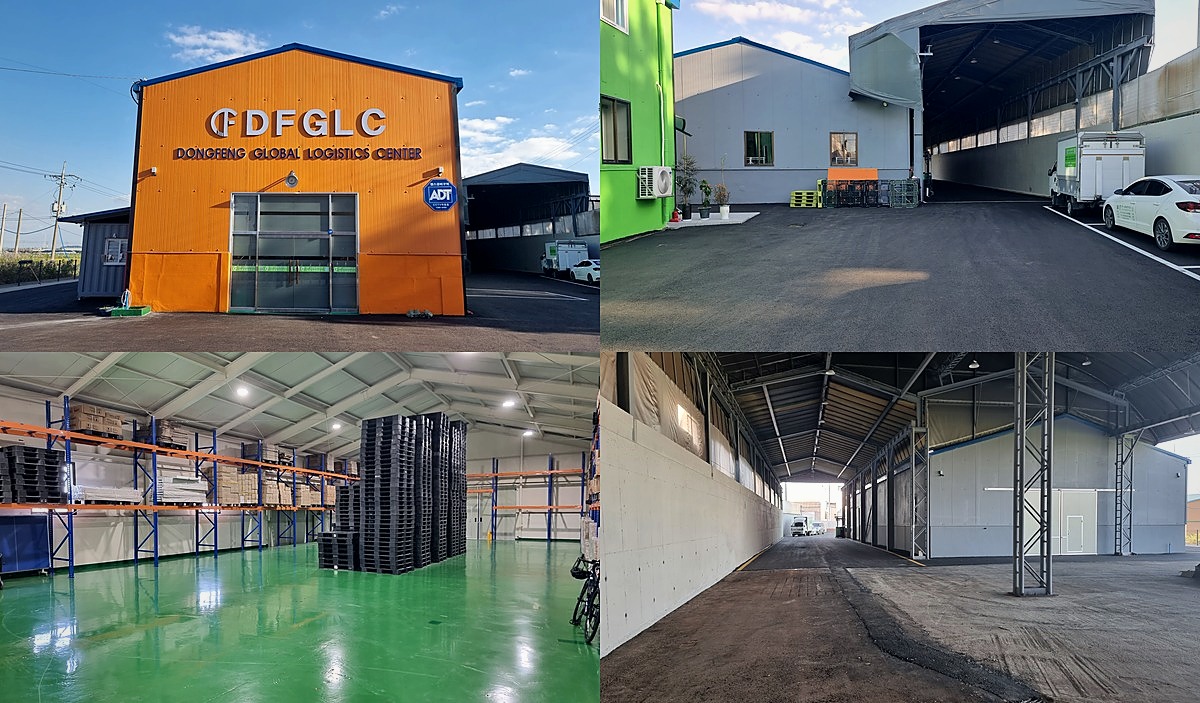
A modern warehouse on land we own
The warehouse sits on our own land, with the 2,500㎡+ floor split by function: receiving, storage and racking, packing, dispatch and container loading each have their own zone, so flows never cross and mis-ships and knocks are reduced. Loading docks, forklifts, a stretch-wrapper, packing benches and a goods lift mean oversized and palletized cargo can be handled directly.
- 24-hour CCTV and fire systems, double checks on inbound and outbound
- Zoned floor keeps packing and container loading out of each other's way
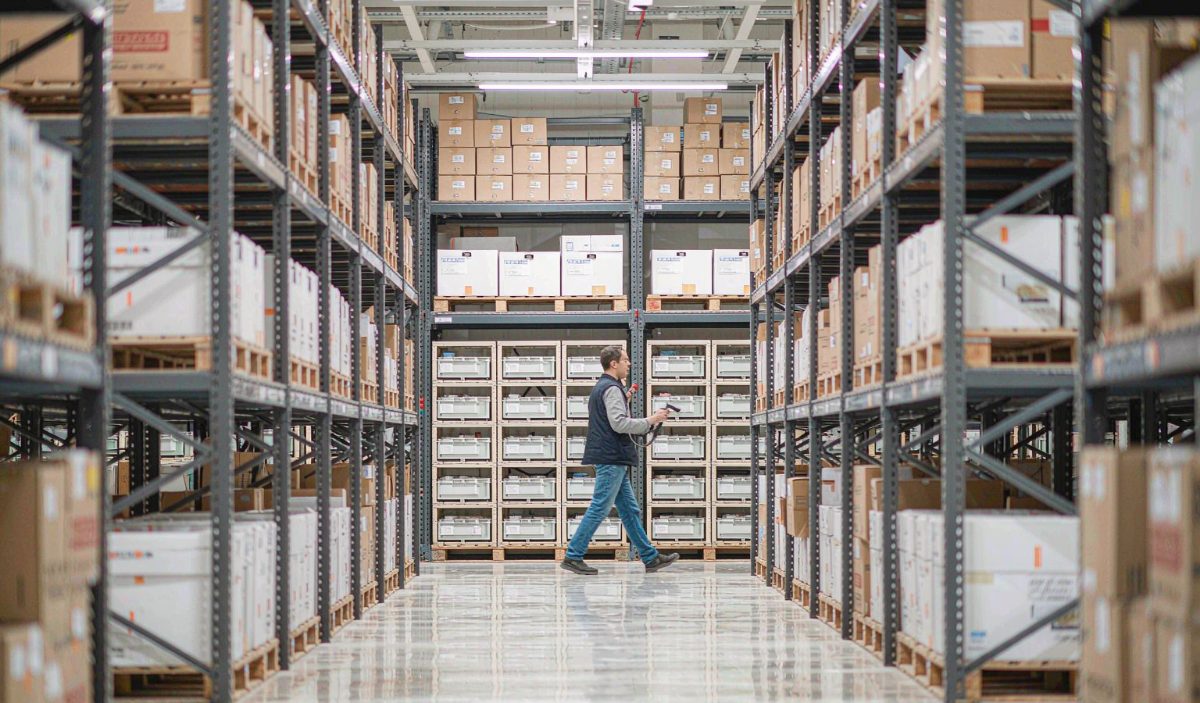
Our own WMS keeps a record of every item
The warehouse runs our in-house WMS: receiving, put-away, picking, packing and dispatch are all scanned, stock updates in real time, and every action is stamped with time, operator and document, so an issue can be traced to a specific batch. The system also exposes open APIs and connects to our platform and mainstream ERPs, keeping order and inventory data in sync both ways.
- Scanned piece by piece from inbound to outbound, batch traceable
- Open API to mainstream ERPs, two-way order and stock sync
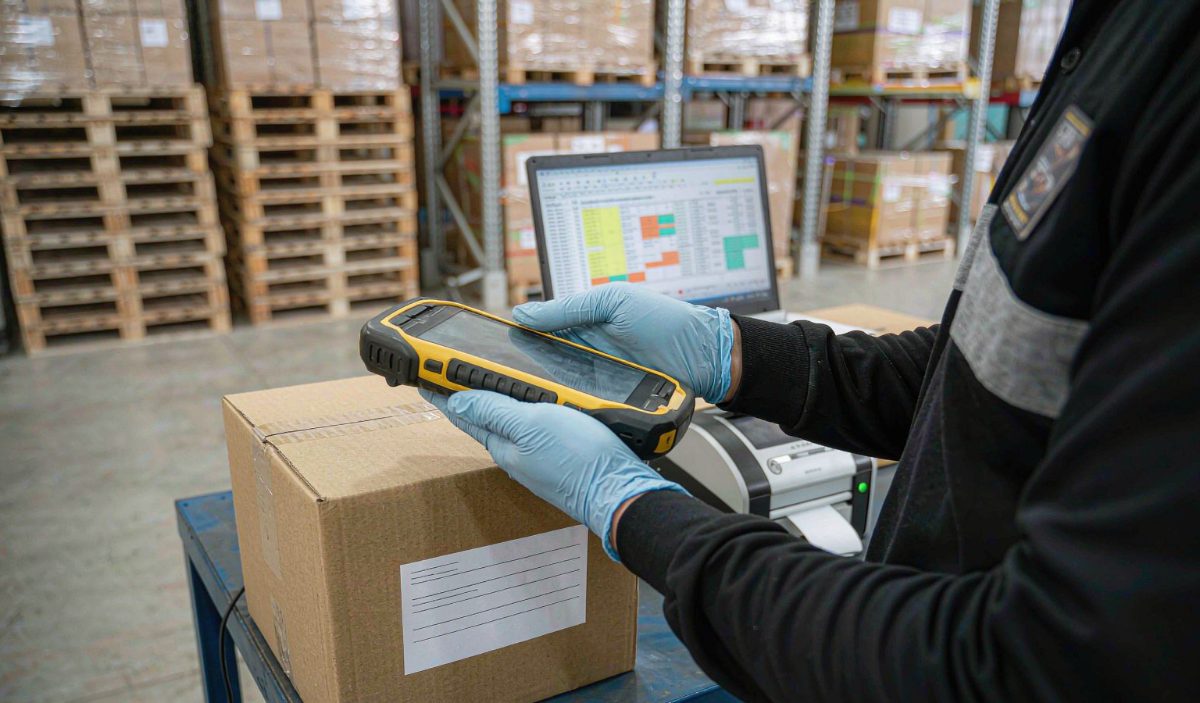
Two directions: domestic Korea and Korea to China
We cover both domestic Korean distribution and Korea-to-China flows. For store replenishment, warehouse transfers and marketplace inbound inside Korea, the warehouse arranges vehicles directly; for cargo heading to China we connect to our CC parcels, DDP bulk line and sea LCL / FCL services. We also run cross-border e-commerce programmes such as Coupang replenishment and palletized inbound.
- Domestic Korea dispatch arranged same or next day
- China-bound links to CC, BB, sea freight and air freight from one warehouse
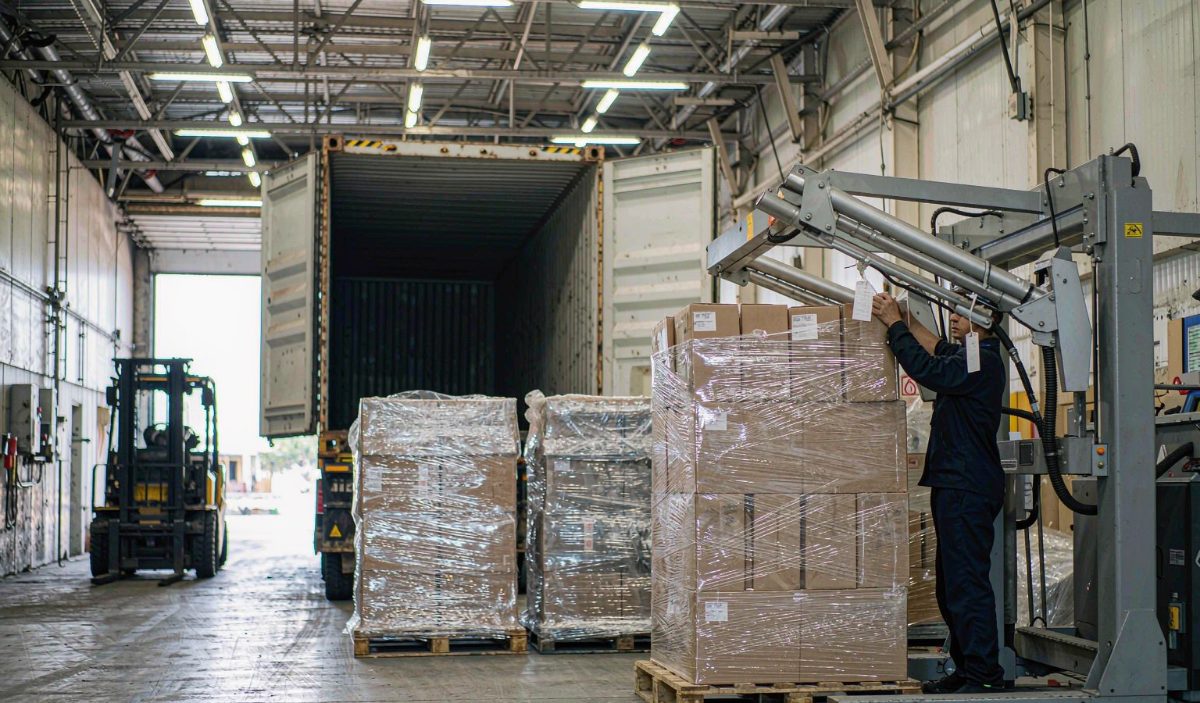
Hands-on experience across many SKUs
We handle a wide range of categories, with proven cases in gaming chairs, drinkware, tableware, luggage, apparel, shoes and bags, beauty and skincare, wine and toys. Oversized odd-shaped goods need dedicated protection and pallet plans, liquids and fragile items need individual cushioning and separation, and multi-SKU e-commerce goods need piece picking and consolidation — all of which we run every day.
- Oversized: gaming chairs, luggage, tents crated and palletized
- Fragile and liquid: tableware, wine and glassware cushioned separately
- Multi-SKU: piece picking, consolidation and per-order labelling
Korea warehouse vs a typical forwarder's warehouse: the advantages of our own facility
Owned land · own team · invoicing in your language
Many so-called Korea warehouses are in fact agent warehouses: your cargo sits in someone else's facility and you wait on a third party for schedules, stock data and problem handling. Our warehouse — from the land to the system — is ours, and the difference shows in everyday details.
- Land and warehouse owned: 3,000㎡ of owned land and a 2,500㎡ self-built warehouse, not rented third-party space. We set the operating standards ourselves, with no peak-season surcharge and no outsourcing.
- Handled by our own team: receiving, put-away, picking, packing, palletizing and loading are all done by our in-house team — no subcontractors, and every step has an accountable owner.
- In-house WMS keeps the trail: every item is scanned from inbound to outbound with time, operator and document on file; stock is checkable at any time, so reconciliation never turns into an argument.
- Communication and invoicing in your language: the warehouse is in Korea, but reports and statements are issued with SKU names in Chinese or Korean — cross-border sellers do not need a Korean-speaking staffer.
- One warehouse, many channels: domestic Korean transfers, Coupang replenishment and China-bound CC / BB / sea / air shipments all dispatch from the same warehouse — stock once, distribute everywhere.
To compare transit time and cost across shipping channels, see Korea to China shipping options compared.
Categories and cargo we handle: general and multi-SKU e-commerce
General cargo and multi-SKU e-commerce alike
Proven cases cover the categories below, matching the varied storage needs of general cargo and multi-SKU e-commerce goods.
Categories handled
Two typical scenarios
A Korean seller's bulk stock is stored at our warehouse: counted and put away on arrival, then when orders come through the seller's back office, we build pallets, label and deliver to the Coupang centre at the reserved slot. Stock is visible in the WMS in real time, so replenishment does not depend on someone watching the clock.
A Chinese cross-border seller stocks goods at our warehouse. When a Korean marketplace or independent site order comes in, it flows into the WMS and we pick, pack and label, shipping via Korean CJ Express direct to the buyer; monthly bulk returns to China can ride DFL Cargo BB or sea freight.
For anything outside this list, send a sample or product data first — we assess packing, stacking and transport conditions before quoting.
Korea warehouse FAQ
The six questions business clients ask most
How are storage and handling fees calculated at the Korea warehouse?
Which e-commerce platforms and ERPs does single-parcel fulfilment support?
What is the Coupang replenishment inbound process, and how far ahead should I book?
What documents and shipping-mark details are needed before inbound?
Which categories do you accept? Can battery-included goods be stored?
How do domestic Korea transfers connect with China-bound shipments?
Contact us · request an inbound quote
Your cargo is in Korea, the conversation is in your language
Tell us the SKU count, expected monthly volume and destination channel, and we will come back with a combined storage and shipping plan and quotation.
- KO경기도 김포시 통진읍 대서명로 64, 나동 1층
- EN1F NO.64, DAESEOMYUNG-RO, TONGJIN-EUP, GIMPO-CITY, GYEONGGI-DO, KOREA
- ZH京畿道金浦市通津邑大西明路 64 号,N 栋 1 层
- TEL010-3732-1688
- ZIP10016
For personal online-shopping shipments (receiving and consolidation back to China), see Korea Consolidation; for other extended services see Other services.